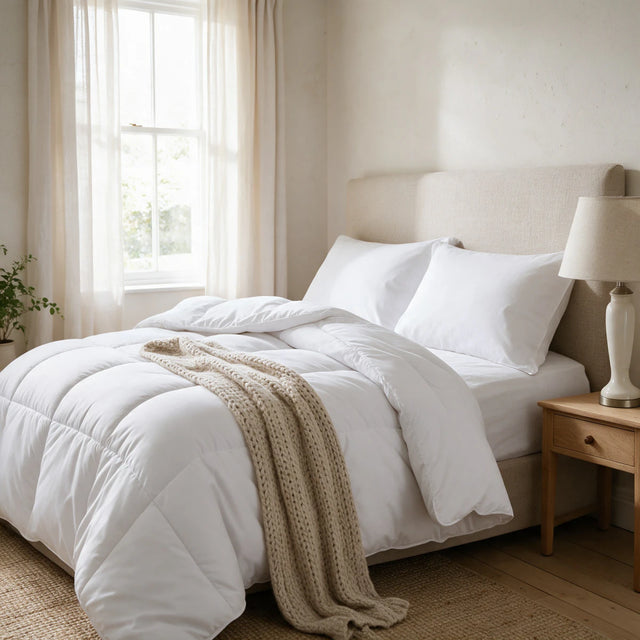

Making a bed means layering bedding on a mattress in an order that protects each layer and keeps you comfortable. A fully made bed has 7 layers, from the bottom up: mattress topper, mattress protector, fitted sheet, duvet, duvet cover, pillow protector and pillowcase. This guide gives the order, explains each layer, answers where the topper and protectors go, and says how often each layer needs washing.
What order do bedding layers go in?
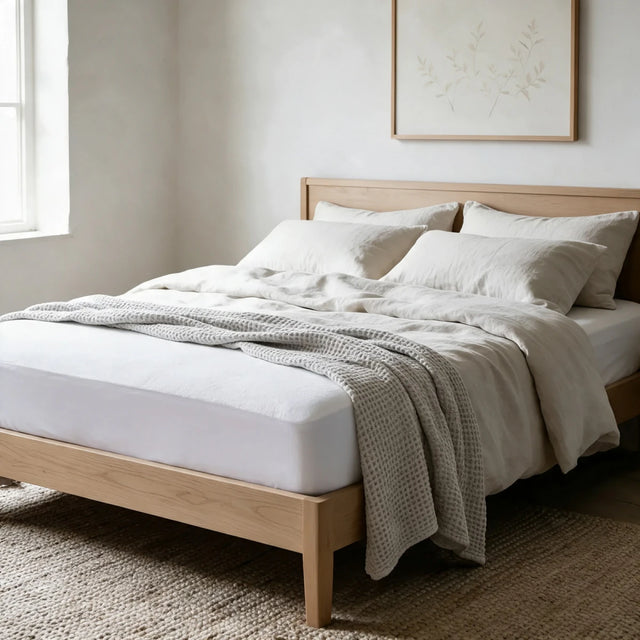
Bedding layers go in this order, from the mattress up: mattress topper, mattress protector, fitted sheet, duvet inside its cover, then pillows inside pillow protectors and pillowcases. The topper changes how the bed feels. The protectors keep the layers underneath clean. The sheet, cover and pillowcases are the layers you wash every week.
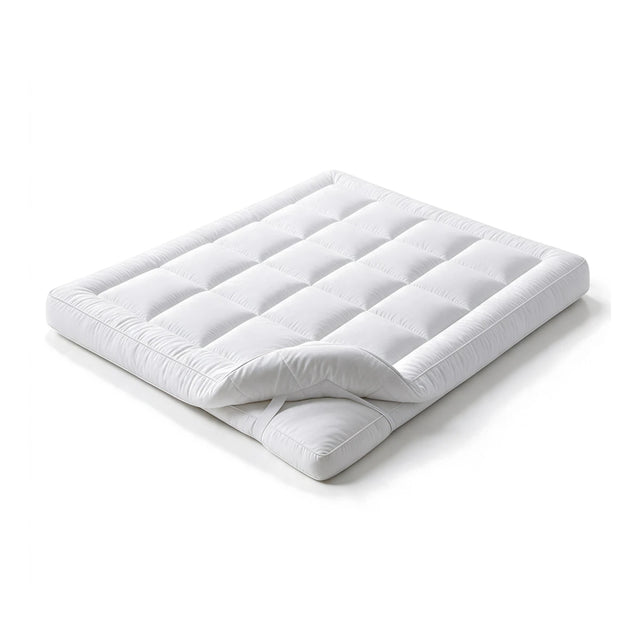
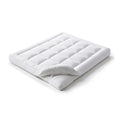
- Mattress topper. A 5 cm or 10 cm mattress topper goes straight onto the mattress and changes how soft the bed feels. Hook its corner straps under the mattress so it stays flat.
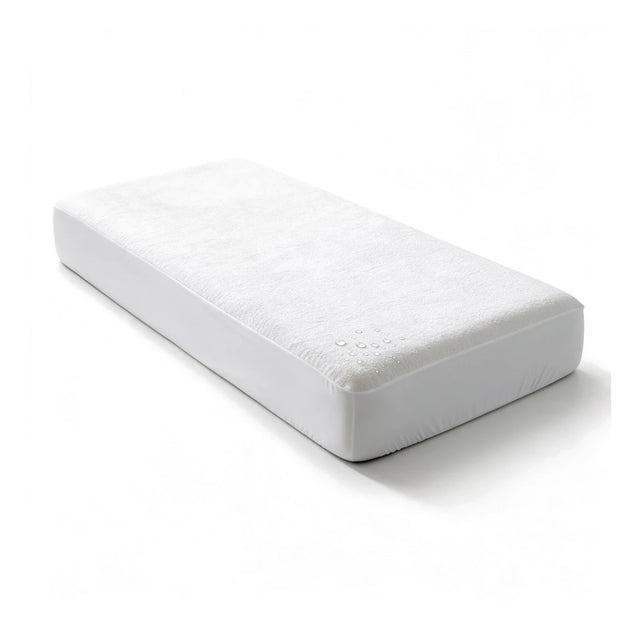
- Mattress protector. A protector goes over the topper and mattress together and keeps sweat and spills out of both. A waterproof mattress protector also stops accidents soaking through.
- Fitted sheet. The fitted sheet goes over everything below it. With a topper on, you'll need an extra deep fitted sheet with a pocket deep enough for the mattress, topper and protector together.
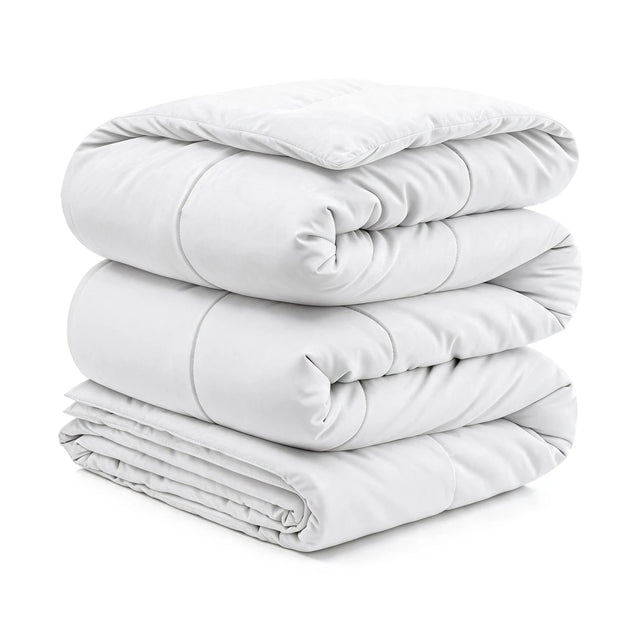
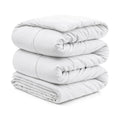
- Duvet. Choose the duvet by warmth. Our duvets and mattress toppers include duvets from 1 tog for summer to 15 tog for cold winter rooms.
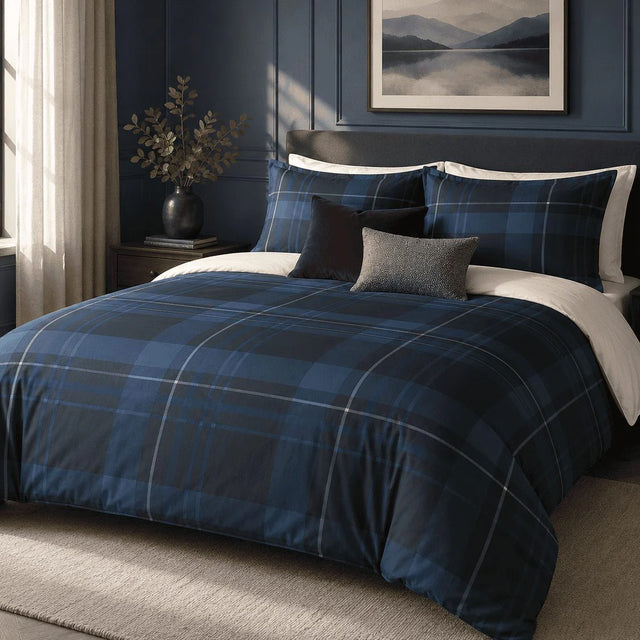
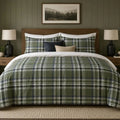
- Duvet cover. The cover goes over the duvet and is the layer you see. Our duvet cover sets come with matching pillowcases, from single to emperor.
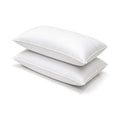
- Pillow protector. A zipped protector goes straight onto each bed pillow and keeps sweat and dust out of the filling. Our pillow protectors zip shut along the full width.
- Pillowcase. The pillowcase goes over the protector. Use the ones from your duvet cover set, or plain pillowcases in a colour that goes with it.
A throw or bedspread can go over the top as an eighth layer, for warmth on cold nights or for the look.

Does a mattress topper go under the protector?
Yes, a mattress topper goes under the mattress protector. With the protector on top, sweat, spills and dust stay out of the topper as well as the mattress, and a topper is bulkier to wash than a protector. The protector's skirt needs to be deep enough to cover the mattress and topper together.
The exception is a waterproof protector put on to save the mattress itself, for example on a child's bed. Then the order is mattress, waterproof protector, topper, and a second protector over the topper if you want that kept clean too. Our guide to 5 cm vs 10 cm mattress topper thickness explains how much height each topper adds.
How deep a fitted sheet do you need over a topper?
Add the mattress depth to the topper thickness, and buy a fitted sheet with a pocket at least that deep. A 25 cm mattress with a 5 cm topper needs a 30 cm pocket. The same mattress with a 10 cm topper needs 35 cm. A thick protector adds a little more on top.
| Mattress depth | With 5 cm topper | With 10 cm topper |
|---|---|---|
| 20 cm | 25 cm | 30 cm |
| 25 cm | 30 cm | 35 cm |
| 30 cm | 35 cm | 40 cm |
Our extra deep fitted sheet has a 40 cm pocket with elastic all the way round, made to stay on over our 5 cm and 10 cm toppers. It comes in single, double, king and super king, from £8.99. Our extra deep fitted sheet guide covers measuring mattress depth.
Does a pillow protector go under the pillowcase?
Yes, a pillow protector goes under the pillowcase. The protector zips around the pillow and stays on, while the pillowcase goes over the top and comes off for washing. That way the pillow's filling stays clean between washes.
NHS allergy leaflets recommend zipped covers that fully enclose the pillow and mattress for people with a house dust mite allergy, which is why the zip matters. Our microfibre and quilted pillow protectors are both 50x75 cm with a full-width zip.
Does a duvet go inside a duvet cover?
Yes, a duvet always goes inside a duvet cover. The cover keeps the duvet clean, so the duvet itself only needs an occasional wash, and the cover can go in the machine every week. A duvet cover also sets the look of the bed, since it's the largest thing you see.
Match the cover size to the duvet, not the bed. A double duvet is 200x200 cm and takes a double cover, which is 204x204 cm on our sets. Our UK duvet sizes chart lists every size.
How do you put a duvet cover on?
The quickest way to put a duvet cover on is the inside-out method, in 5 steps:
- Turn the cover inside out and lay it flat on the bed, opening at the foot end.
- Lay the duvet flat on top, lined up with the cover.
- Reach inside the cover from the opening and grab the two top corners of the cover and duvet together.
- Lift and shake, so the cover turns right side out down the length of the duvet.
- Fasten the poppers or buttons at the foot and shake the duvet out flat.
Our duvet cover sets close with poppers or snap buttons, so step 5 takes seconds.
Do you need a top sheet?
No, you don't need a top sheet with a duvet. A top sheet is a flat sheet laid between you and a blanket, and it's there to keep the blanket clean. A duvet cover does that job for a duvet. Some people still use one for a lighter cover on hot nights, with the duvet folded back.
How often should each layer be washed?
Wash the fitted sheet, duvet cover and pillowcases about once a week, which is the Sleep Foundation's advice for most people. The protectors, topper and duvet need washing less often, and the care label sets the temperature. For a house dust mite allergy, NHS leaflets say a 60°C wash kills mites, while cooler washes only remove some.
| Layer | How often |
|---|---|
| Fitted sheet, duvet cover, pillowcases | About weekly |
| Pillow and mattress protectors | Less often, and after any spill |
| Topper, duvet and pillows | Occasionally, by the care label |
The Sleep Foundation suggests washing more often if pets sleep on the bed or you have allergies. Our guide on how to choose a pillow covers when a pillow needs replacing rather than washing.
Written by the Adam Home team in the UK.