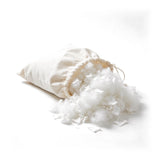



To restuff sofa cushions, unzip the cover, take out the inner, loosen or remove the flattened filling, and add new filling until the cushion is full to the corners. Back cushions are usually topped up or refilled with polyester fibre, and seat cushions usually need a new foam core. This guide gives the 6 steps, a table of fillings for seat and back cushions, and answers on whether restuffing is worth it, how to make cushions firm again and which filling suits back cushions.
How do you restuff sofa cushions in 6 steps?
Here are the 6 steps to restuff a sofa cushion, in order:
- Check the sofa first. Sit on it with the cushions off. If the seat dips without the cushions, the problem is the frame or springs, and new filling won't fix it. Designer Sofas 4U says restuffing makes sense when the frame and upholstery are still in good condition.
- Open the cover and take out the inner. Unzip the cover and slide the filled inner out. The inner often sits in its own case, and it may be split into chambers that stop the filling moving about.
- Loosen or remove the old filling. Pull apart any clumps of fibre by hand and shake feathers back into an even layer. If the fibre stays flat and lumpy after teasing, take it out and start again.
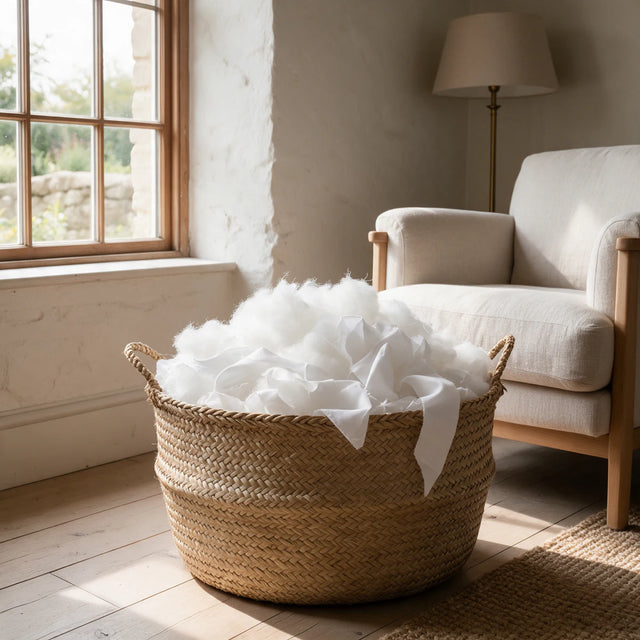
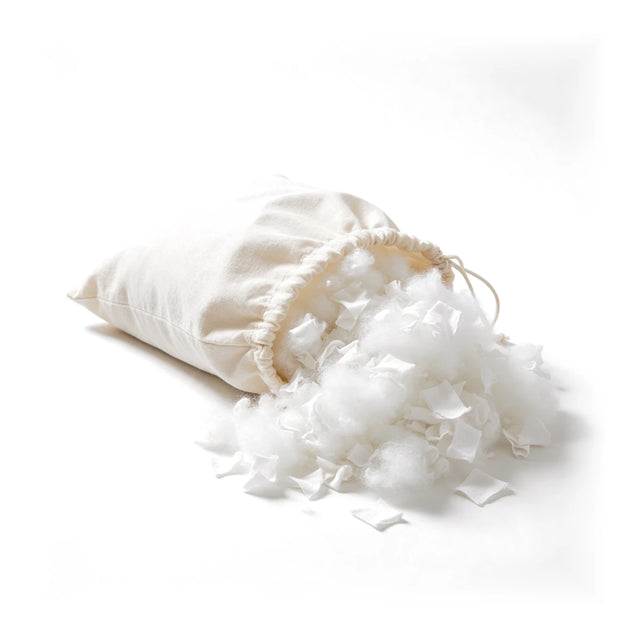
- Add new filling to back cushions. Work small handfuls of fresh hollowfibre filling into the corners first, then the middle, until the cushion is firm and even. Designer Sofas 4U adds new fibre to the old filling or replaces it, depending on its condition.
- Fit a new foam core to seat cushions. Seat cushions usually need the foam replaced, not topped up. Order foam cut to the size of the old core, and wrap it in polyester wadding for a softer feel and a fuller look, as foam suppliers advise.
- Close, refit and plump. Push the inner back into its case and cover, line up the corners, zip it shut and plump the cushion. Flip and swap reversible cushions from then on so they wear evenly.
Our toy stuffing listing gives a guide for amounts: a 500g bag fills roughly two 18-inch cushions. Sofa back cushions are bigger and deeper, so add filling a handful at a time and stop when the cover is full.

Which filling suits sofa seat and back cushions?
Foam, or foam wrapped in fibre, suits seat cushions because it holds its shape under weight. Fibre, feather, or a feather and fibre mix suits back cushions, which carry less weight and look best soft and full.
| Filling | Feel | Upkeep | Best use |
|---|---|---|---|
| Foam | Firmest, structured | Low: turn now and then | Seat cushions |
| Foam wrapped in fibre | Medium, soft top on a firm core | Low: flip or turn now and then | Seat cushions |
| Hollowfibre (polyester fibre) | Soft, plump, relaxed | High: plump often | Back cushions, scatter cushions |
| Feather | Softest, sink-in | High: plump and turn | Back cushions, scatter cushions |
| Feather and fibre mix | Soft, a little more spring than feather | High: plump and flip | Back cushions |
Feel and upkeep come from the Which? sofa buying guide and the cushion guides of The English Sofa Company and Cotswold Company. Best use follows Designer Sofas 4U: high-density foam for seats and polyester fibre for backs.

Is it worth restuffing sofa cushions?
Yes, restuffing sofa cushions is worth it when the frame, springs and covers are still sound, because only the filling has worn out. Designer Sofas 4U calls restuffing the more economical choice in that case, and more environmentally friendly than replacing the sofa.
It isn't worth it when the seat sags with the cushions off, or when the covers are torn. Get the frame or springs repaired first, then restuff.
How can I make my sofa cushions firm again?
Make sofa cushions firm again by adding filling to back cushions and replacing the foam core in seat cushions. Plumping only puts air back into fibre and feather for a while. Once the filling has thinned, it needs more filling.
For back cushions, add hollowfibre until the cover is tight to the corners. For seat cushions, a new foam core brings back the support. Which? notes that all new foam loses about 15% of its hardness over the first six months, so a new seat feels firmer at first and settles. Upholstery Shop lists CMHR foam, a combustion modified high resilience foam, at a density of 38 to 42 as its standard firm seating grade.
What is the best filling for sofa back cushions?
Polyester fibre, such as hollowfibre, is the best filling for most sofa back cushions, because it's soft, light, easy to plump and suits people who react to feathers. Feather, or a feather and fibre mix, gives a softer, slouchier back but needs more plumping.
Which? says feathers on their own can clump together, and that feather mixed with fibre adds a little extra resilience. Our guide to feather vs hollowfibre cushions compares the two fillings in detail, and our guide to what hollowfibre is explains why the hollow core springs back.
How often do sofa cushions need restuffing?
Sofa seat cushions usually need restuffing or new foam every 5 to 8 years, depending on use, according to Designer Sofas 4U. Back cushions filled with fibre or feather often need a top-up sooner, because loose filling compresses and shifts.
Signs it's time: dips in the seat, cushions that don't spring back after you stand up, and support that feels uneven from one seat to the next. Daily care slows it down. The Cotswold Company advises plumping fibre cushions daily and taking the insert out of its case now and then to plump it. Our guide on how to keep cushions plump covers the routine.
Does sofa filling have to meet fire safety rules?
Yes, filling for UK upholstered furniture has to meet the Furniture and Furnishings (Fire) (Safety) Regulations 1988, which have their own rules for filling material and loose fillings. Business Companion, the trading standards guidance site, says the rules cover people who supply filling materials direct to consumers.
The same guidance lists scatter cushions and seat pads within the rules, for their filling material only. The regulations were last amended by the Furniture and Furnishings (Fire) (Safety) (Amendment) Regulations 2025, in force from 30 October 2025. When you buy filling or foam to restuff a sofa, check that the seller states it meets the UK fire safety regulations.
Which fillings do we sell for restuffing?
Our hollowfibre off-cuts filling is a carded blend of polyester hollowfibre and soft fabric off-cuts, sold in 1, 2, 5 and 10 kg bags from £8.99. The blend complies with British fire safety regulations, and the listing names upholstery and cushion refills among its uses. For an all-new fill, our virgin hollowfibre stuffing comes in 500g, 1kg and 2kg bags from £7.99.
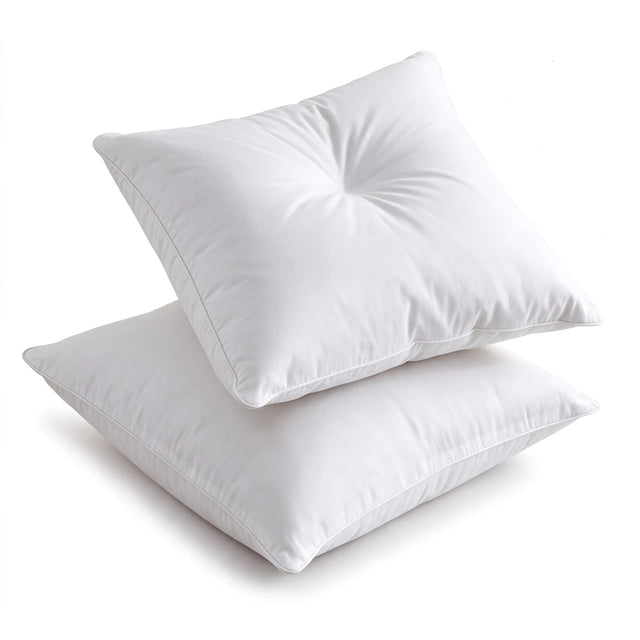
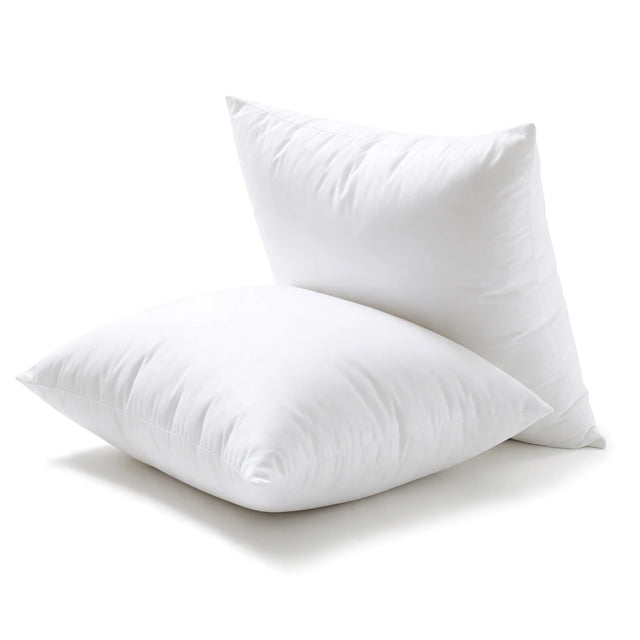
For scatter cushions, a fresh pad is quicker than restuffing an old one. Our cushion pads include hollowfibre inserts in 11 sizes from 30x30 cm to 75x75 cm, from £8.99 for 2, and duck feather cushion pads in 30x45 cm and 40x40 cm, £10.99 for 2. Our cushion pad size guide shows which pad fits each cover.
Written by the Adam Home team in the UK.