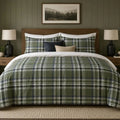

Cotton is the better duvet cover fabric if you sleep hot or have sensitive skin, and microfibre is the better one if you want a cover that costs less, dries quickly and comes out of the wash without creases. That's the short answer, and we say it as a shop that only sells microfibre covers. Cotton is a natural plant fibre that breathes. Microfibre is a synthetic fabric, usually polyester, made from fibres finer than 1 denier. Below are the 6 differences that matter, which one is better for sleep, whether microfibre is cooler, and what a good thread count actually is.
| Difference | Cotton | Microfibre |
|---|---|---|
| Breathability | Breathes well, suits hot sleepers | Traps more heat, suits cold sleepers |
| Durability | Natural fibres break down sooner, cheap cotton fastest | Tight weave holds up to frequent washing |
| Creases and shrinking | More prone to creasing, may shrink on first wash | Less prone to creasing and shrinking |
| Drying | Thicker, slower to dry | Quick drying |
| Wash temperature | Usually takes hot water | Polyester usually wants warm water |
| Quality measure | Thread count, about 200 to 400 | GSM, about 90 to 120 |
Cotton wins on breathability. Microfibre wins on easy care. The rest depends on how you sleep and how often you wash.

Which is better for sleeping, microfibre or cotton?
Cotton is better for sleeping if you run warm, wake up sweaty or have sensitive skin, because it breathes and wicks moisture away from the body. Microfibre is better for sleeping if you feel the cold, because it holds heat in.
Sleep Foundation rates cotton the better choice for sensitive skin and allergy sufferers, and calls microfibre less ideal for sensitive skin. It also notes that cotton gets softer with every wash, while microfibre feels smooth and silky from day one.
So it comes down to you. A cold sleeper in a draughty bedroom in January will probably prefer microfibre. A hot sleeper who kicks the duvet off at 3am should buy cotton, or at least pair microfibre with a lighter duvet. Our guide to duvets for hot sleepers covers the tog side of that.
Is microfibre cooler than cotton?
No, microfibre is not cooler than cotton. Sleep Foundation says microfibre traps heat more easily than cotton, which is why it suits colder climates and cold sleepers, while cotton suits hot sleepers.
Soak&Sleep, a UK retailer that sells both fabrics, puts it the same way: cotton is naturally breathable, and microfibre is insulating and can feel warmer. For hot nights, The Sleep Charity suggests a cotton sheet or a low tog duvet.
A duvet cover is only one layer, though. If you're too hot under any cover, check the tog of the duvet inside it as well.
What are the 6 differences between microfibre and cotton?
The 6 differences between microfibre and cotton duvet covers are breathability, durability, creasing, drying time, wash temperature and how quality is measured. Here's each one in a bit more detail.
- Breathability. Cotton breathes better. Microfibre feels warmer because it traps heat.
- Durability. Sleep Foundation calls microfibre generally more durable: its tight weave is less likely to deteriorate with frequent washes. Cotton breaks down sooner, and cheaper cotton breaks down faster. Soak&Sleep says cotton is long-lasting in higher-quality weaves.
- Creases and shrinking. Microfibre is less prone to wrinkling and shrinkage. Cotton creases more and may shrink after the first wash.
- Drying. Microfibre dries quickly. Wikipedia notes microfibre towels dry fast and go stale less easily than cotton ones if they aren't dried straight away.
- Wash temperature. Sleep Foundation says cotton can usually hold up to hot water, while polyester calls for warm temperatures. Cotton is the one to pick if you like a hot wash.
- Quality measure. Woven cotton is graded by thread count. Microfibre is graded by GSM, grams per square metre, because thread count doesn't apply to it.
There are smaller differences too. Microfibre is more likely to build up static, and because it's highly absorbent, it holds onto stains more than cotton does.
What is the best material for a duvet cover?
Cotton is the best material for a duvet cover if breathability and a natural fibre matter most to you. Microfibre is the best material if your priorities are price, quick drying and a cover that looks smooth without ironing.
Price is the big gap. Sleep Foundation's average prices for sheets start at about $15 for microfibre and about $50 for cotton. These are US figures for sheets. Our printed microfibre duvet cover sets start at £26.99 for a single and £30.99 for a double, with pillowcases included.
The fair thing to say about the environment is that cotton is a plant fibre, and microfibre is made from petrochemicals and isn't biodegradable. Synthetic fabrics also shed fibres in the wash. A 2016 University of Plymouth study by Imogen Napper and Richard Thompson estimated 496,030 fibres from a 6 kg polyester wash, against 137,951 from a polyester-cotton blend. If that matters to you, it's a point for cotton.
Polycotton sits between the two: it's a blend of polyester and cotton.
What is a good thread count?
A good thread count for a cotton duvet cover is about 200 to 400. Belledorm advises a minimum of around 200 for cotton, and says covers of 180 or less may feel rougher.
Thread count is the number of threads in one square inch of fabric, counting both directions. Wikipedia puts standard cotton at around 150 and good-quality sheets from 180, with 200 or more classed as percale. Very high numbers, usually over 500, often come from counting each strand of a twisted yarn separately, so 250 two-ply threads each way can be sold as 1,000. Linen experts quoted on the same page see no quality difference above 400.
Microfibre doesn't have a meaningful thread count. Belledorm says microfibre isn't measured that way and suggests 90 to 120 GSM as a suitable range. So if a polyester cover advertises a huge thread count, ignore the number. Our guide to what microfibre is explains the fibre itself.

How do you wash microfibre and cotton duvet covers?
Wash cotton duvet covers in warm to hot water and microfibre or polyester covers in warm water, and always check the care label first. Sleep Foundation suggests tumble drying sheets on low.
Soak&Sleep describes microfibre as wrinkle-resistant and quick-drying, which is most of its appeal on a weekly wash day. Cotton handles a hotter wash but creases more, so take it out of the machine promptly. Our listings say only that our covers are machine washable, so follow the label on yours. There's more detail in our guide on how to wash printed duvet covers.
Which duvet covers do we sell?
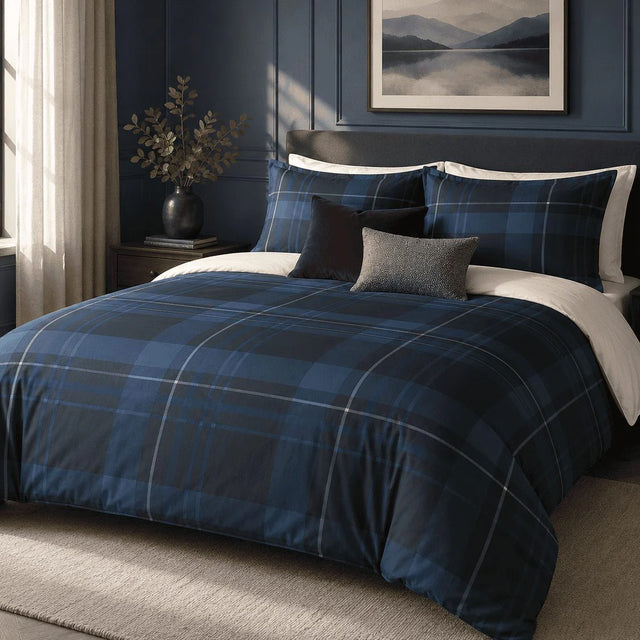
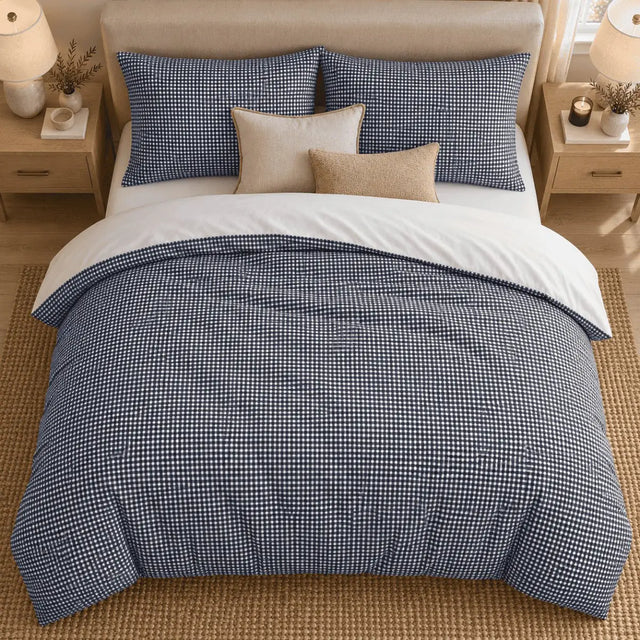
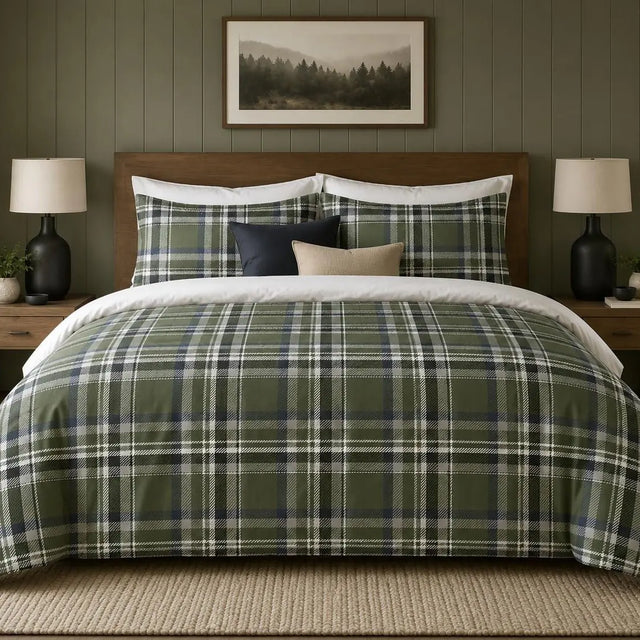
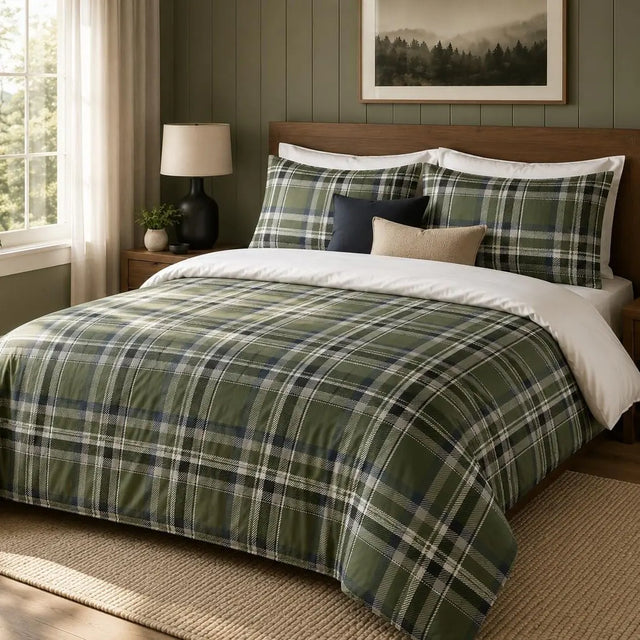
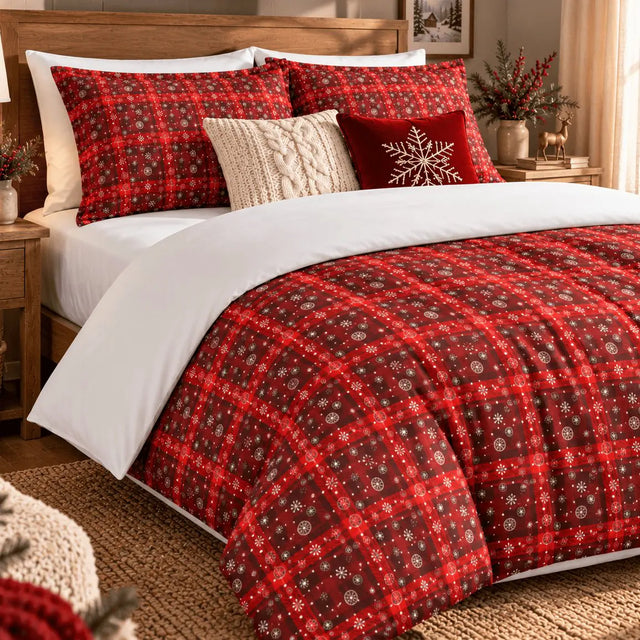
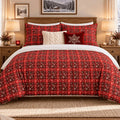
We sell 100% polyester microfibre duvet cover sets, designed and made in the UK, and no cotton duvet covers. Each set has a printed front and snap-button closure, with 1 pillowcase in a single and 2 in a double to emperor.
Sizes run from Single (137 x 200 cm) to Emperor (290 x 235 cm), and prices start at £26.99. If cotton suits the way you sleep better, buy cotton. If you want an easy-care cover in a bold print, browse our microfibre duvet cover sets.
Written by the Adam Home team in the UK.